Inner Child, Outer Strength: Book Review
Explore Inner Child, Outer Strength by Shivasuman Balugoni, a reflective book on childhood experiences, self-compassion, emotional awareness, and personal growth.on Oct 25, 2026
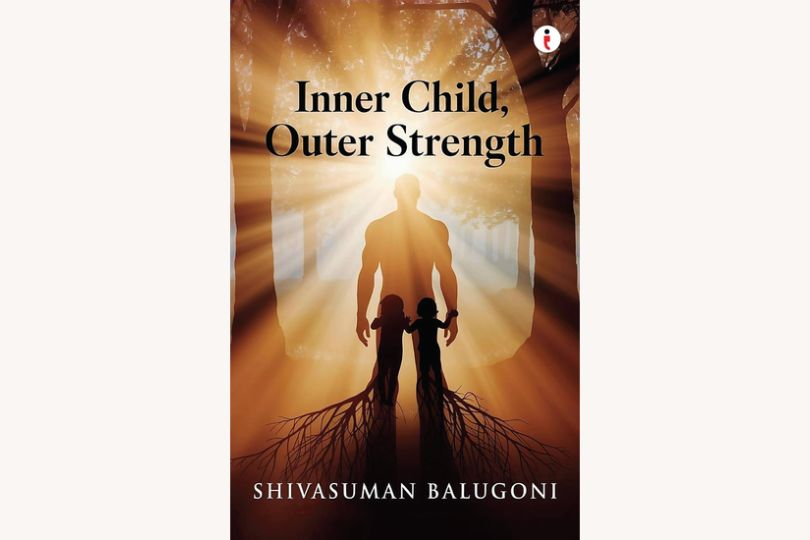
Inner Child, Outer Strength: Embracing Your Past to Build Emotional Resilience
Childhood leaves a lasting imprint on the way people understand themselves, form relationships, and respond to the world around them. While early experiences can be filled with curiosity, affection, and joy, they can also include fear, confusion, disappointment, and pain that remain unaddressed into adulthood. Understanding these experiences can become an important part of personal growth. Inner Child, Outer Strength by Shivasuman Balugoni explores this connection between the emotional experiences of childhood and the strength individuals can cultivate in their adult lives.
With the subtitle Embracing Your Past to Empower Your Present, the book invites readers to reconnect with the parts of themselves shaped by their earliest experiences. It approaches this process not as an exercise in dwelling on the past, but as an opportunity to develop self-compassion, acknowledge vulnerability, and build a more authentic relationship with oneself.
Through evocative narrative, reflective exercises, and imagery, the book offers a thoughtful exploration of the inner child—the emotional and psychological aspects of the self associated with childhood experiences, memories, and feelings. Its central message is that genuine strength does not necessarily come from suppressing pain or appearing unaffected by difficult experiences. Instead, it can emerge from acknowledging those experiences with kindness and integrating them into a fuller understanding of who we are.
Book Summary
Inner Child, Outer Strength examines how childhood experiences can continue to influence emotional life long after childhood has passed. The book recognises that early years are not universally carefree. Alongside happy memories, individuals may carry unresolved feelings, unmet emotional needs, and experiences that shape their perceptions of themselves and others.
The concept of the inner child provides the foundation for this exploration. It represents the vulnerable, curious, and emotionally expressive aspects of a person that may become less visible beneath the responsibilities, expectations, and coping mechanisms of adulthood.
The book encourages readers to approach these parts of themselves with compassion rather than judgement. Instead of dismissing childhood emotions as irrelevant or treating vulnerability as a weakness, it invites readers to listen to what those feelings may reveal about their experiences and present responses.
Its approach is reflective rather than prescriptive. Through narrative passages, imagery, and exercises, readers are encouraged to revisit their personal stories, acknowledge forgotten or overlooked emotions, and consider how their understanding of the past influences their present identity.
This process is not presented as a simple or linear journey. Revisiting emotionally significant experiences can be challenging, and personal growth often requires patience. The book acknowledges this complexity while presenting self-compassion as an important foundation for meaningful change.
Ultimately, Inner Child, Outer Strength explores the possibility of developing a more integrated sense of self—one in which vulnerability and resilience can coexist. By recognising the relationship between past experiences and present behaviour, readers are invited to move towards greater emotional awareness and a more accepting view of themselves.
What Makes Inner Child, Outer Strength Different?
1. It Reframes Vulnerability as a Source of Strength
One of the book's central ideas is that vulnerability and strength are not opposing qualities. People often learn to conceal difficult emotions in order to appear capable, independent, or unaffected. Although such responses may help them navigate certain situations, consistently suppressing emotional needs can also make self-understanding more difficult.
Inner Child, Outer Strength challenges the assumption that personal strength requires the denial of pain. It instead presents acceptance as a potential starting point for growth.
Acknowledging fear, sadness, disappointment, or insecurity does not mean allowing these emotions to define one's identity. It means recognising them as part of one's experience and responding with greater awareness. This distinction offers a valuable perspective for readers who associate emotional openness with weakness.
The book's approach encourages a more balanced understanding of resilience: the ability to acknowledge difficult experiences while continuing to grow, make choices, and develop a stronger relationship with oneself.
2. It Connects Childhood Experiences with Adult Identity
The past does not determine every aspect of a person's future, but early experiences can influence how individuals interpret situations, respond to conflict, and understand their own worth.
The book explores this connection by inviting readers to consider how childhood memories and emotions may continue to shape their present lives. It encourages reflection on the beliefs and responses that individuals carry forward, including those they may rarely examine consciously.
This perspective creates space for self-inquiry. Readers can consider whether certain reactions reflect present circumstances alone or whether they are also connected to earlier experiences. Such reflection can help individuals develop a clearer understanding of their emotional patterns without assuming that every present difficulty has a single childhood cause.
The emphasis is on greater awareness and understanding rather than assigning blame. By examining their personal histories with compassion, readers may find new ways to interpret their experiences and respond to themselves more thoughtfully.
3. It Emphasises Reflection Over Quick Fixes
Personal development is often presented through simplified formulas that promise rapid change. Emotional growth, however, can be a gradual process involving recognition, acceptance, and repeated reflection.
The book explicitly positions itself as a companion for exploration rather than a collection of instant solutions. Its use of reflective exercises and evocative imagery supports this approach, encouraging readers to engage with their own experiences rather than simply absorb general advice.
This format can make the reading experience more personal. Instead of treating emotional healing as a destination that can be reached through a fixed set of steps, the book invites readers to approach it as an ongoing process of understanding.
The approach also acknowledges that the journey may not always be comfortable. Looking back can bring difficult feelings to the surface, and meaningful change may require time and patience.
Themes Explored in Inner Child, Outer Strength
Self-Compassion and Emotional Acceptance
Self-compassion is a central theme of the book. People can be quick to extend understanding to others while responding to their own mistakes, fears, and emotional needs with criticism. Childhood experiences may also influence the standards individuals set for themselves and the way they interpret perceived failures.
The book encourages readers to develop a kinder relationship with their own histories. This does not mean overlooking responsibility or refusing to grow. Rather, it involves recognising personal struggles without reducing one's identity to them.
Approaching oneself with compassion can create room for honest reflection. Instead of immediately dismissing an uncomfortable emotion, a person can acknowledge it, consider its context, and decide how to respond constructively.
Within the book's broader framework, self-compassion becomes a foundation for building strength that does not depend on constant self-criticism or emotional suppression.
Childhood Memories and Emotional Patterns
Memories are more than records of past events; they can also carry feelings and interpretations that continue to influence the present. Certain experiences may shape expectations about relationships, trust, acceptance, or personal capability.
Inner Child, Outer Strength invites readers to examine these connections through a reflective engagement with their own stories. The aim is to understand how the past may inform present perceptions without assuming that childhood experiences explain every aspect of adult behaviour.
This theme encourages readers to approach memory with curiosity. They can consider which experiences continue to hold emotional significance and how their understanding of those experiences has changed over time.
Such reflection can help create distance between an old belief and a present reality. Recognising a familiar emotional response is one step towards deciding whether it remains useful or whether a different response might better serve one's current circumstances.
Vulnerability and Authenticity
The book explores the idea that people can become disconnected from parts of themselves when they feel compelled to hide emotions or conform to expectations. Over time, the desire to appear strong may leave little room for uncertainty, tenderness, or the expression of genuine needs.
By encouraging readers to acknowledge their vulnerabilities, the book presents authenticity as a more integrated way of living. This involves recognising different aspects of one's experience rather than presenting only those that appear confident or socially acceptable.
Authenticity does not require sharing every personal feeling with everyone. It begins with honesty towards oneself and an understanding that difficult emotions are part of being human.
Through this perspective, vulnerability becomes less about exposure and more about self-acceptance. It offers readers a way to consider how greater emotional honesty might influence their relationship with themselves and the world around them.
Healing as an Ongoing Journey
The book does not describe personal growth as a straight path. Emotional experiences can be complex, and understanding them may take time. Progress may involve revisiting familiar questions, recognising new patterns, and learning to respond differently to situations that once felt overwhelming.
This understanding is important because it challenges the expectation that healing must happen quickly or follow a predictable sequence. Reflection can be valuable even when it does not immediately produce a clear answer.
By presenting the journey as gradual and personal, Inner Child, Outer Strength encourages patience. Its emphasis on compassion suggests that growth need not begin with a demand to change everything at once; it can begin with the willingness to listen and understand.
For readers navigating personal transitions or seeking a deeper understanding of their emotional lives, this perspective offers a thoughtful way to approach self-development.
Building a Stronger Present
Although the book looks towards childhood, its purpose is firmly connected to the present. Revisiting earlier experiences becomes meaningful when it helps readers develop a more conscious relationship with their current lives.
Greater self-understanding may influence how individuals respond to challenges, interpret feedback, communicate their needs, and approach relationships. The book encourages readers to consider how acknowledging the past can create possibilities for more deliberate choices in the present.
Its underlying message is not that people must resolve every memory before they can move forward. Instead, it suggests that recognising and accepting different parts of one's experience can contribute to a more grounded sense of identity.
In this way, the relationship between the inner child and the adult self becomes a central element of the book's exploration of resilience and empowerment.
Writing Style and Reading Experience
Inner Child, Outer Strength adopts a reflective and emotionally expressive approach to its subject. Its imagery draws on ideas of tenderness, memory, hidden pain, and personal renewal, giving the book a contemplative tone.
The use of evocative narrative alongside reflective exercises encourages readers to engage with the subject personally. Rather than approaching emotional development only through definitions or abstract explanations, the book invites readers to consider their own memories, feelings, and interpretations.
This style is suited to readers who appreciate introspective writing and are willing to pause over questions about identity and emotional growth. Its emphasis on personal exploration also allows readers to approach the material at their own pace.
The book's central appeal lies in its compassionate framing of self-understanding. It encourages readers to see their emotional histories not simply as burdens to overcome, but as experiences that can be examined and integrated into a fuller understanding of themselves.
About the Author: Shivasuman Balugoni
Shivasuman Balugoni is an ecopreneur and business professional with more than 18 years of experience across operations, sales, and marketing. His professional background combines organisational management with an interest in leadership, collaboration, and sustainable business practices.
He has more than three years of experience as General Manager at Karma Group Global, where his responsibilities have included improving operational efficiency and developing sales strategies. His work has involved aligning business objectives with client requirements, strengthening team effectiveness, and encouraging collaboration across functions.
As an ecopreneur at Net Nest Eco Solutions, Balugoni also works in the area of environmental sustainability, bringing his business experience to efforts focused on sustainable approaches and long-term organisational growth.
His professional journey reflects an interest in leadership development, operational excellence, and team empowerment. With Inner Child, Outer Strength, he explores a subject centred on personal reflection, emotional awareness, and the relationship between past experiences and present-day resilience.
Who Should Read Inner Child, Outer Strength?
The book may appeal to readers who are interested in understanding themselves more deeply and developing a more compassionate relationship with their personal histories. In particular, it may resonate with:
- Readers interested in personal growth who want to reflect on how earlier experiences influence their present identity.
- Individuals exploring self-compassion who wish to approach their emotions and perceived vulnerabilities with greater understanding.
- Readers navigating life transitions who are reconsidering old beliefs, familiar patterns, or their sense of self.
- People interested in emotional awareness who want to reflect on the connections between memory, feelings, and everyday responses.
- Readers drawn to reflective self-help writing that prioritises personal exploration over rigid formulas or quick solutions.
The book's subject may also prompt useful conversations about the ways people understand vulnerability and resilience. However, reflective reading is not a substitute for professional mental health care, particularly for those dealing with significant distress or difficult past experiences.
Conclusion
Inner Child, Outer Strength by Shivasuman Balugoni explores the relationship between childhood experiences, adult identity, and the possibility of emotional growth. Through reflective writing, evocative imagery, and exercises, the book encourages readers to examine their past with greater compassion and consider how their experiences shape the way they understand themselves today.
Its central message is that strength does not have to come from denying vulnerability. It can develop through acknowledging difficult emotions, understanding personal patterns, and accepting the complexity of one's own story.
By connecting reflection on the past with the choices available in the present, the book offers a thoughtful perspective on self-awareness and resilience. For readers seeking a gentler, more introspective approach to personal development, Inner Child, Outer Strength serves as an invitation to listen to the parts of themselves that may have gone unheard and to build a more accepting relationship with who they are becoming.
Post a comment
0 comments

Trending Posts









Recent Post





Related Post








© 2026 - Frontlist - News and Updates of Publishing Industry, Book Reviews, Education News, Author Interviews, and Videos.. All Rights Reserved.
Sorry! No comment found for this post.